
Septifix Review: Does This Septic Tank Treatment Actually Work?
If you own a home with a septic system, you already know maintenance isn’t optional — it’s just a question of whether you stay ahead of it or end up dealing with a backup, an odor problem, or an expensive pump-out at the worst possible time. Septifix is one of the more talked-about products in the “flush a tablet, skip the hassle” category of septic tank treatments. We looked into what it actually is, how it’s supposed to work, and where it realistically fits into a normal septic maintenance routine.
Septic System Maintenance 101 — Where Product Treatments Fit In
Every septic system relies on bacteria to break down the waste that flows into the tank. Solid material settles to the bottom as sludge, grease and oils float to the top as scum, and the relatively clear liquid in between flows out to the drain field. Left alone, that bacterial process works — but a few things can throw it off: harsh cleaning chemicals and antibacterial soaps that kill off the bacteria doing the work, heavy household usage that outpaces natural breakdown, and simple time, since sludge and scum layers still build up gradually even in a well-functioning system.
That’s why septic professionals generally recommend having a tank pumped every three to five years regardless of how well things seem to be running — waiting until there’s a visible problem usually means the system is already stressed. Between pump-outs, the day-to-day health of the system comes down to what’s going into it and what’s supporting the bacterial breakdown happening inside the tank.
This is where product-based treatments like Septifix are positioned: not as a replacement for pumping, but as a monthly maintenance habit intended to support bacterial activity, control odors, and reduce the buildup that leads to more frequent or more expensive service calls. Whether that’s worth doing depends on the specific product and how honestly it represents what it can and can’t do — which is what the rest of this review digs into.
What Is Septifix?
Septifix is a septic tank treatment sold in solid tablet form. The basic use case is simple: flush one tablet down the toilet roughly once a month, and it’s designed to dissolve and travel into the tank, where it’s meant to support the bacterial ecosystem responsible for breaking down waste. It’s marketed specifically at homeowners with septic systems — rural properties, homesteads, and any home not connected to a municipal sewer line — which puts it squarely in the same audience as a lot of the self-sufficiency and rural-living content on this site.
It’s positioned as a “flush and forget” product: no mixing, no measuring, no opening the tank yourself.
How This Septic Tank Treatment Works
Based on the product’s own published information, Septifix tablets are built around three main components working together:
Oxygen-releasing compounds. As the tablet dissolves, it’s designed to release oxygen into the tank. This matters because the bacteria strains used in the formula are aerobic — meaning they need oxygen to survive and function, unlike the anaerobic bacteria that naturally dominate a typical septic tank environment. The oxygen release is also credited with directly neutralizing hydrogen sulfide, the compound largely responsible for the “rotten egg” smell associated with septic problems.
Live aerobic bacteria strains. The formula reportedly includes 14 different bacteria strains, with the product listing over 10 billion bacteria per gram — a notably high concentration compared to many standard septic treatments. These bacteria are the actual workhorses breaking down grease, soap residue, toilet paper, and organic solids.
pH-balancing compounds. Wastewater that’s too acidic or too alkaline can stress the bacterial colony and contribute to corrosion of tank components and pipes over time. The tablets include pH-stabilizing ingredients (sodium carbonate is specifically named in the product’s formula information) intended to keep the tank environment in a range where the bacteria can thrive.
Worth being upfront about: exact figures like oxygen output and effective duration vary depending on which source you check — some product pages cite roughly 10 liters of oxygen released per tablet, others cite over 20; effective duration is listed anywhere from 90 days to 6 months depending on the page. We’d treat these as manufacturer-supplied estimates rather than independently verified numbers, and wouldn’t put too much weight on the specific figure so much as the general mechanism, which is consistent across sources.
What’s Actually in the Septic System Maintenance Tablets
Pulling together the ingredient information the manufacturer has published, each tablet is described as containing:
- A blend of 14 aerobic bacteria strains (commonly cited genera in this type of formula include Bacillus, Mycobacterium, and Pseudomonas)
- Oxygen-releasing compounds
- Sodium carbonate as the primary pH-regulating agent
- No listed harsh chemicals, solvents, or acids
The product is marketed as made in the United States, with manufacturing described as taking place in Florida. As with any product in this category, we’d recommend homeowners with specific chemical sensitivities or unusual system configurations check the full ingredient list directly from the product packaging or manufacturer before use, rather than relying solely on marketing summaries.
How To Use Septifix Septic Tank Treatment Tablets
Usage is straightforward by design:
- Flush one tablet down the toilet, typically once per month for average household use (manufacturer guidance suggests larger households or heavier usage may warrant two to three tablets monthly)
- No pre-dissolving, mixing, or special handling is required
- No need to access or open the septic tank itself
Marketing materials describe noticeable odor improvement within roughly 3 to 5 days of the first application, with ongoing monthly use intended to maintain results over time. As with any “your results may vary” product, actual timelines will depend on the current condition of your system, household size, and usage patterns.
Pros and Cons Of Septifix Septic Tank Treatment
Pros:
- Genuinely simple to use — no equipment, mixing, or tank access required
- Formula is chemical-free and described as environmentally safe, which fits a self-sufficiency/homesteading approach to household maintenance
- Addresses a real, common problem (bacterial imbalance, odor, buildup) rather than being a solution in search of a problem
- Monthly cost is modest compared to the cost of an unplanned pump-out or repair
- Backed by a stated 60-day money-back guarantee
Cons:
- Specific performance claims (oxygen output, effective duration, “eliminates the need to pump”) vary across sources and should be treated as manufacturer estimates, not independently verified figures
- It’s a maintenance product, not a fix for an already-failing system, damaged drain field, or structural tank issue
- Results depend heavily on your system’s current condition and household habits — a system already under heavy stress may need professional attention regardless
- As with any septic product, using it doesn’t remove the need for periodic professional inspection and pumping on a normal schedule
Who Is This Septic System Maintenance For?
Septifix makes the most sense for homeowners with a septic system in reasonably normal working order who want a low-effort monthly habit to support the system’s health between routine pump-outs — a common situation for rural, homesteading, and off-grid households where septic (rather than municipal sewer) is simply how the property is set up.
It’s a poor fit as a stand-alone fix for a system that’s already showing serious signs of failure — persistent backups, sewage surfacing in the yard, or a drain field that’s stopped absorbing water. Those situations call for a professional septic inspection, not a maintenance tablet.
Septifix vs. Traditional Pumping and Septic System Treatment Options
A monthly treatment tablet and professional pumping aren’t competing solutions — they serve different purposes in the same overall system treatment approach:
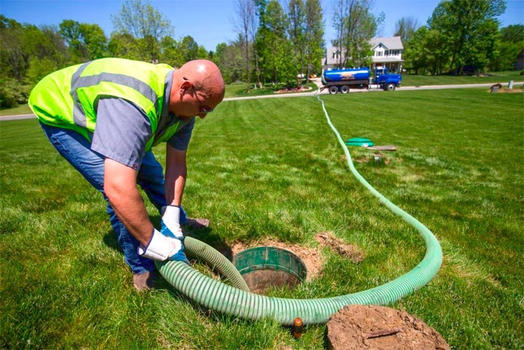
- Professional pumping physically removes accumulated sludge and scum from the tank. No treatment product, tablet or otherwise, replaces this — it’s a mechanical removal process that biological treatments can’t substitute for. Standard guidance is every 3–5 years regardless of what maintenance products you’re using.
- Monthly treatments like Septifix aim to support the bacterial breakdown happening between pump-outs, which can help slow the rate of buildup and manage odor — potentially stretching the practical interval between pump-outs and reducing the odds of an odor or slow-drain issue catching you off guard.
- Other septic system treatment products on the market vary in bacteria concentration, format (liquid, powder, or tablet), and whether they include an oxygen-release mechanism. Septifix’s specific combination of oxygen release plus a high bacteria count is its main point of differentiation from simpler bacteria-only treatments.
The realistic framing: a good monthly treatment is a maintenance habit that can reduce problems and stretch service intervals — not a permanent substitute for professional pumping on a normal schedule.
Frequently Asked Questions
How often should I do septic system maintenance? Professional pumping is generally recommended every 3–5 years regardless of what other maintenance you’re doing, though this varies based on tank size and household usage. Monthly treatments like Septifix are designed to supplement that schedule, not replace it.
Will Septifix completely eliminate the need to pump my tank? Treat this claim with skepticism. Solid waste and non-biodegradable material still accumulate over time in any septic tank; a bacterial treatment can help slow buildup and support the breakdown of organic waste, but a mechanical pump-out remains standard practice on a normal interval regardless of what treatment product is used.
Is Septifix safe for all septic systems? It’s marketed as chemical-free and safe for standard residential septic systems. If you have an unusual system configuration or specific concerns, checking with the manufacturer or a local septic professional before use is a reasonable precaution.
How quickly will I notice a difference? Manufacturer materials describe odor improvement within roughly 3–5 days of first use, with continued monthly use intended to maintain results. Actual results will vary by household and system condition.
Our Verdict
The mechanism behind Septifix — oxygen-supported aerobic bacteria plus pH balancing — is a legitimate, sensible approach to septic maintenance, and it fits naturally into a monthly habit for homeowners who want to stay ahead of problems rather than react to them. Where we’d urge caution is around the more dramatic marketing claims (specific oxygen output figures, “eliminates pumping entirely”) — treat those as best-case manufacturer estimates rather than guarantees. Used as intended, as a supplement to normal pumping and inspection rather than a replacement for it, this is a reasonable, low-effort addition to a septic maintenance routine.
This post contains affiliate links. If you make a purchase through one of our links, we may earn a commission at no additional cost to you. See our full disclosure →