Category: Reviews

  • woodworking-plans-worth-buying

    Woodworking Plans Worth Building From: What Actually Makes a Library Worth Buying

    Most woodworking projects don’t fail because someone lacks the skill to do them — they fail because the plan they were following left something out. A missing dimension, no materials list, a diagram that assumes you already know what the finished joint should look like. If you’re picking up a project, the plan itself matters more than people expect, and that’s just as true whether you’re building one shelf or working from a library of thousands of woodworking plans.

    What Makes a Woodworking Plan Worth Following

    A plan that actually works for you should include a full set of dimensions, a materials list so you’re not guessing at the lumber yard, step-by-step instructions rather than a single diagram, and enough detail that a beginner and an experienced builder could both follow it without confusion. That’s a higher bar than most scattered woodworking plans found online actually clear — pull ten free plans off ten different sites and you’ll usually get ten different formats, half of them missing something you only discover once you’re already mid-project.

    Why Most DIY Woodworking Projects Stall Before They Start

    The most common reason a DIY woodworking project stalls isn’t a lack of tools or ability — it’s an incomplete plan. You get partway through a cut list, realize a dimension is missing, and the project sits half-finished in the garage for a month. Multiply that across a dozen projects and it adds up to a lot of wasted lumber and lost weekends. This is really a consistency problem, and it’s the exact problem a single, well-organized plans library is built to solve.

    What a Complete Woodworking Plans Library Gives You

    Instead of hunting down individual woodworking plans from a dozen inconsistent sources, a library like Ted’s Woodworking bundles over 16,000 plans into one place, each with a full materials list, step-by-step instructions, and detailed diagrams. The value isn’t just the number of plans — it’s that every one of them follows the same complete format, so you’re not rolling the dice on quality each time you start something new. It’s also a one-time purchase rather than an ongoing subscription, which matters if you’re trying to keep hobby costs predictable.

    Best Woodworking Plans for Homestead Projects

    If you’re building out a homestead rather than just a hobby workshop, a handful of project categories tend to matter most: chicken coops, garden beds, tool sheds, and general outdoor storage. Having a tested, complete plan for each of these before you start saves real time and material, especially compared to improvising from a rough sketch or an incomplete free template.

    Who a Full Plans Library Is Actually Worth It For

    If you’ve already run into the free-plan consistency problem — missing dimensions, unclear steps, projects that stalled halfway — a complete library pays for itself the first time it saves you a wasted afternoon and a trip back to the lumber yard. It’s also worth it if you know you’ll be building more than one or two things over the coming year, since the cost is spread across every project you use it for.

    If you’re only ever planning to build one simple thing, a single well-documented free plan might be all you need — a full library makes the most sense once you’re building regularly.

  • Food Preservation at Home: A Self-Reliance Guide Review

    Food Preservation Without Refrigeration: What The Lost Frontier Handbook Teaches

    If the power goes out, or you’re simply trying to rely less on a fridge and freezer that could fail at the worst possible time, knowing how to actually preserve food the old-fashioned way stops being a nice-to-have skill and starts being a real form of security. It’s one of the most practical, immediately useful skills in the whole self-reliance space — and it’s a big part of why we looked closely at The Lost Frontier Handbook by Suzanne Sherman.

    Why Food Preservation Without a Fridge Matters

    Most households have never had to think about keeping food edible without refrigeration, because they’ve never had to. But the methods that came before electric refrigeration — drying, salting, fermenting, root cellaring, and yes, canning — aren’t obsolete. They’re just unfamiliar. Relearning them means your food supply isn’t entirely dependent on the grid staying up.

    Canning at Home: A Core Skill Worth Learning

    Canning at home is probably the single most searched-for entry point into food preservation, and for good reason — it’s approachable, the equipment cost is low, and it turns a seasonal harvest (or a good sale at the store) into a pantry that lasts months. The Lost Frontier Handbook covers this alongside other preservation methods rather than treating it as a standalone specialty, which makes sense if you’re trying to build a full pantry strategy rather than just one skill.

    What The Lost Frontier Handbook Actually Covers

    The Lost Frontier Handbook is a 298-page guide built around the idea that the self-reliance skills earlier generations relied on haven’t disappeared — they’ve just been forgotten by most of modern life. Food preservation is one of its central sections, alongside:

    Water Sourcing and Storage

    Finding and keeping a clean water supply without relying on city infrastructure.

    Home Remedies and First Aid Basics

    Simple, historically-used approaches for treating minor wounds, burns, and everyday ailments.

    General Homesteading Know-How

    The kind of foundational skills that make day-to-day self-sufficiency more realistic.

    The tone throughout is approachable rather than intimidating — worth calling out, since a lot of survival content is written like it’s for someone who already has a fully stocked bunker. This reads more like it’s for someone just starting to build these skills into their life.

    Who This Guide Is For

    If you’re new to food preservation and self-reliance generally and want a single, organized starting point rather than piecing information together from a dozen scattered blog posts, this fits well. It’s also a reasonable refresher for people who already know some of this but want it consolidated in one place.

    If you’re already an experienced home canner or deep into advanced homesteading, some of the material may feel introductory. It’s a foundational resource, not an advanced technical manual.

    Format and What’s Included

    The Lost Frontier Handbook is available as a digital download for instant access, or as a combined physical-plus-digital package for those who’d rather have a printed copy on hand (which makes practical sense for food preservation methods you might need to reference without power). It comes with a handful of bonus guides at no extra cost, and a 60-day satisfaction guarantee.

    Our Take

    We appreciate that this isn’t framed around fear or doomsday scenarios — it’s framed around building practical, everyday resilience, starting with something as foundational as knowing how to keep food edible without a fridge. It won’t replace hands-on practice (no book will), but as a reference for building a foundation of preservation and self-reliance skills, it’s a solid, well-organized starting point.

    Affiliate Disclosure: This post contains affiliate links. If you make a purchase through one of these links, we may earn a small commission at no additional cost to you. We only recommend resources we’ve personally researched and believe fit our readers’ off-grid and self-reliance goals.

  • Septifix Review: Best Septic Tank Treatment

    Septifix Review: Best Septic Tank Treatment

    Septifix Review: Does This Septic Tank Treatment Actually Work?

    If you own a home with a septic system, you already know maintenance isn’t optional — it’s just a question of whether you stay ahead of it or end up dealing with a backup, an odor problem, or an expensive pump-out at the worst possible time. Septifix is one of the more talked-about products in the “flush a tablet, skip the hassle” category of septic tank treatments. We looked into what it actually is, how it’s supposed to work, and where it realistically fits into a normal septic maintenance routine.

    Septic System Maintenance 101 — Where Product Treatments Fit In

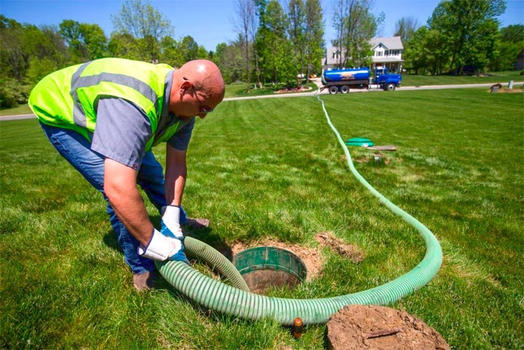
    Every septic system relies on bacteria to break down the waste that flows into the tank. Solid material settles to the bottom as sludge, grease and oils float to the top as scum, and the relatively clear liquid in between flows out to the drain field. Left alone, that bacterial process works — but a few things can throw it off: harsh cleaning chemicals and antibacterial soaps that kill off the bacteria doing the work, heavy household usage that outpaces natural breakdown, and simple time, since sludge and scum layers still build up gradually even in a well-functioning system.

    That’s why septic professionals generally recommend having a tank pumped every three to five years regardless of how well things seem to be running — waiting until there’s a visible problem usually means the system is already stressed. Between pump-outs, the day-to-day health of the system comes down to what’s going into it and what’s supporting the bacterial breakdown happening inside the tank.

    This is where product-based treatments like Septifix are positioned: not as a replacement for pumping, but as a monthly maintenance habit intended to support bacterial activity, control odors, and reduce the buildup that leads to more frequent or more expensive service calls. Whether that’s worth doing depends on the specific product and how honestly it represents what it can and can’t do — which is what the rest of this review digs into.

    What Is Septifix?

    Septifix is a septic tank treatment sold in solid tablet form. The basic use case is simple: flush one tablet down the toilet roughly once a month, and it’s designed to dissolve and travel into the tank, where it’s meant to support the bacterial ecosystem responsible for breaking down waste. It’s marketed specifically at homeowners with septic systems — rural properties, homesteads, and any home not connected to a municipal sewer line — which puts it squarely in the same audience as a lot of the self-sufficiency and rural-living content on this site.

    It’s positioned as a “flush and forget” product: no mixing, no measuring, no opening the tank yourself.

    How This Septic Tank Treatment Works

    Based on the product’s own published information, Septifix tablets are built around three main components working together:

    Oxygen-releasing compounds. As the tablet dissolves, it’s designed to release oxygen into the tank. This matters because the bacteria strains used in the formula are aerobic — meaning they need oxygen to survive and function, unlike the anaerobic bacteria that naturally dominate a typical septic tank environment. The oxygen release is also credited with directly neutralizing hydrogen sulfide, the compound largely responsible for the “rotten egg” smell associated with septic problems.

    Live aerobic bacteria strains. The formula reportedly includes 14 different bacteria strains, with the product listing over 10 billion bacteria per gram — a notably high concentration compared to many standard septic treatments. These bacteria are the actual workhorses breaking down grease, soap residue, toilet paper, and organic solids.

    pH-balancing compounds. Wastewater that’s too acidic or too alkaline can stress the bacterial colony and contribute to corrosion of tank components and pipes over time. The tablets include pH-stabilizing ingredients (sodium carbonate is specifically named in the product’s formula information) intended to keep the tank environment in a range where the bacteria can thrive.

    Worth being upfront about: exact figures like oxygen output and effective duration vary depending on which source you check — some product pages cite roughly 10 liters of oxygen released per tablet, others cite over 20; effective duration is listed anywhere from 90 days to 6 months depending on the page. We’d treat these as manufacturer-supplied estimates rather than independently verified numbers, and wouldn’t put too much weight on the specific figure so much as the general mechanism, which is consistent across sources.

    What’s Actually in the Septic System Maintenance Tablets

    Pulling together the ingredient information the manufacturer has published, each tablet is described as containing:

    • A blend of 14 aerobic bacteria strains (commonly cited genera in this type of formula include Bacillus, Mycobacterium, and Pseudomonas)
    • Oxygen-releasing compounds
    • Sodium carbonate as the primary pH-regulating agent
    • No listed harsh chemicals, solvents, or acids

    The product is marketed as made in the United States, with manufacturing described as taking place in Florida. As with any product in this category, we’d recommend homeowners with specific chemical sensitivities or unusual system configurations check the full ingredient list directly from the product packaging or manufacturer before use, rather than relying solely on marketing summaries.

    How To Use Septifix Septic Tank Treatment Tablets

    Usage is straightforward by design:

    1. Flush one tablet down the toilet, typically once per month for average household use (manufacturer guidance suggests larger households or heavier usage may warrant two to three tablets monthly)
    2. No pre-dissolving, mixing, or special handling is required
    3. No need to access or open the septic tank itself

    Marketing materials describe noticeable odor improvement within roughly 3 to 5 days of the first application, with ongoing monthly use intended to maintain results over time. As with any “your results may vary” product, actual timelines will depend on the current condition of your system, household size, and usage patterns.

    Pros and Cons Of Septifix Septic Tank Treatment

    Pros:

    • Genuinely simple to use — no equipment, mixing, or tank access required
    • Formula is chemical-free and described as environmentally safe, which fits a self-sufficiency/homesteading approach to household maintenance
    • Addresses a real, common problem (bacterial imbalance, odor, buildup) rather than being a solution in search of a problem
    • Monthly cost is modest compared to the cost of an unplanned pump-out or repair
    • Backed by a stated 60-day money-back guarantee

    Cons:

    • Specific performance claims (oxygen output, effective duration, “eliminates the need to pump”) vary across sources and should be treated as manufacturer estimates, not independently verified figures
    • It’s a maintenance product, not a fix for an already-failing system, damaged drain field, or structural tank issue
    • Results depend heavily on your system’s current condition and household habits — a system already under heavy stress may need professional attention regardless
    • As with any septic product, using it doesn’t remove the need for periodic professional inspection and pumping on a normal schedule

    Who Is This Septic System Maintenance For?

    Septifix makes the most sense for homeowners with a septic system in reasonably normal working order who want a low-effort monthly habit to support the system’s health between routine pump-outs — a common situation for rural, homesteading, and off-grid households where septic (rather than municipal sewer) is simply how the property is set up.

    It’s a poor fit as a stand-alone fix for a system that’s already showing serious signs of failure — persistent backups, sewage surfacing in the yard, or a drain field that’s stopped absorbing water. Those situations call for a professional septic inspection, not a maintenance tablet.

    Septifix vs. Traditional Pumping and Septic System Treatment Options

    A monthly treatment tablet and professional pumping aren’t competing solutions — they serve different purposes in the same overall system treatment approach:

    • Professional pumping physically removes accumulated sludge and scum from the tank. No treatment product, tablet or otherwise, replaces this — it’s a mechanical removal process that biological treatments can’t substitute for. Standard guidance is every 3–5 years regardless of what maintenance products you’re using.
    • Monthly treatments like Septifix aim to support the bacterial breakdown happening between pump-outs, which can help slow the rate of buildup and manage odor — potentially stretching the practical interval between pump-outs and reducing the odds of an odor or slow-drain issue catching you off guard.
    • Other septic system treatment products on the market vary in bacteria concentration, format (liquid, powder, or tablet), and whether they include an oxygen-release mechanism. Septifix’s specific combination of oxygen release plus a high bacteria count is its main point of differentiation from simpler bacteria-only treatments.

    The realistic framing: a good monthly treatment is a maintenance habit that can reduce problems and stretch service intervals — not a permanent substitute for professional pumping on a normal schedule.

    Frequently Asked Questions

    How often should I do septic system maintenance? Professional pumping is generally recommended every 3–5 years regardless of what other maintenance you’re doing, though this varies based on tank size and household usage. Monthly treatments like Septifix are designed to supplement that schedule, not replace it.

    Will Septifix completely eliminate the need to pump my tank? Treat this claim with skepticism. Solid waste and non-biodegradable material still accumulate over time in any septic tank; a bacterial treatment can help slow buildup and support the breakdown of organic waste, but a mechanical pump-out remains standard practice on a normal interval regardless of what treatment product is used.

    Is Septifix safe for all septic systems? It’s marketed as chemical-free and safe for standard residential septic systems. If you have an unusual system configuration or specific concerns, checking with the manufacturer or a local septic professional before use is a reasonable precaution.

    How quickly will I notice a difference? Manufacturer materials describe odor improvement within roughly 3–5 days of first use, with continued monthly use intended to maintain results. Actual results will vary by household and system condition.

    Our Verdict

    The mechanism behind Septifix — oxygen-supported aerobic bacteria plus pH balancing — is a legitimate, sensible approach to septic maintenance, and it fits naturally into a monthly habit for homeowners who want to stay ahead of problems rather than react to them. Where we’d urge caution is around the more dramatic marketing claims (specific oxygen output figures, “eliminates pumping entirely”) — treat those as best-case manufacturer estimates rather than guarantees. Used as intended, as a supplement to normal pumping and inspection rather than a replacement for it, this is a reasonable, low-effort addition to a septic maintenance routine.

    This post contains affiliate links. If you make a purchase through one of our links, we may earn a commission at no additional cost to you. See our full disclosure →

  • Water From Air Review

    Water From Air Review

    Water From Air: Atmospheric Water Generator for Home Review

    If you’ve looked into generating water from air at home, you’ve probably noticed most options are either expensive commercial atmospheric water generator units or vague on how the technology actually works. The Water Freedom System takes a different approach: instead of selling you a machine, it’s a step-by-step blueprint for building your own water-from-air setup using accessible parts. We wanted to take an honest look at whether that approach actually holds up.

    What Is an Atmospheric Water Generator, and Why Build One at Home?

    An atmospheric water generator pulls moisture out of the surrounding air and condenses it into usable water — the same basic principle behind a dehumidifier, just built and used differently. For anyone working toward off-grid water independence, having a way to generate water from air rather than relying entirely on wells, rain catchment, or municipal supply is one more layer of resilience. Building one at home instead of buying a pre-made unit also means a fraction of the cost.

    What’s Inside the Water Freedom System

    The Water Freedom System is a digital or physical blueprint walking through how to build a working water generation setup using parts you can find without much difficulty. It’s structured as an instructional guide rather than a general theory book — the focus is on getting an actual working setup, not just understanding the concept.

    Air to Water: The Core Method

    The core method centers on converting moisture already in the air around you into a stored, usable water supply, without depending on a pre-built commercial unit or ongoing municipal water access.

    Digital or Physical: Which Should You Choose?

    The Water Freedom System is available as an instant digital download, or as a physical copy of the blueprint shipped to your door (plus a small shipping fee) for those who’d rather have a printed, offline reference on hand — which makes sense for a guide about water independence when you might not have reliable power or internet access.

    Choosing the Digital Version

    Choose digital if you want immediate access and don’t mind printing pages yourself for offline use.

    Choosing the Physical Version

    Choose physical if you want a durable, ready-to-use reference that doesn’t depend on a screen, a printer, or a charged device.

    Either way, you’re getting the same core blueprint and instructions — the difference is just how you’ll have it on hand when you need it.

    Who This Is This Atmospheric Water Generator For Home For?

    If you’re drawn to the idea of an atmospheric water generator for your home but don’t want to spend on a commercial unit before knowing whether the concept is worth it, this is a reasonable low-cost way to get hands-on with the idea. It’s also a good fit if you already lean toward DIY builds over buying finished products.

    If you want a plug-and-play commercial machine with no assembly involved, this isn’t that — it’s a blueprint, not a device.

    Our Take On The Water Freedom System

    We like that this is positioned as something you build rather than something you buy pre-made — it fits a self-reliance mindset better than a commercial appliance would, and the cost difference is significant. As with any DIY project, results depend on following the instructions carefully and using the right parts.

    Affiliate Disclosure: This post contains affiliate links. If you make a purchase through one of these links, we may earn a small commission at no additional cost to you. We only recommend resources we’ve personally researched and believe fit our readers’ off-grid and self-reliance goals.